
Natural stone that respects people, the environment, and the future.
At Renier, we combine four generations of craftsmanship with strategic investments in green energy, water reuse, circular raw materials, and biodiversity.
Sustainability starts with materials that last for generations.
Belgian blue stone is a natural, locally sourced, and exceptionally durable building material. Because natural stone retains its beauty for years and can be reused time and again, it is a conscious choice for those who value quality and longevity.
Belgian-owned quarries
We work with natural stone from our own quarries. This allows us to keep the supply chain short, transparent, and local.
In-house processing
In Aarschot, we process the stone ourselves into custom-made finished products.
Long service life
Natural stone is durable, timeless, and suitable for applications that last for decades.
Our quarry also generates green energy.
At our quarry, we are investing in solar panels to generate green electricity on-site. That energy is used to power our equipment and infrastructure.
By generating energy locally, we reduce our dependence on external energy sources and lower the environmental footprint of our mining operations.
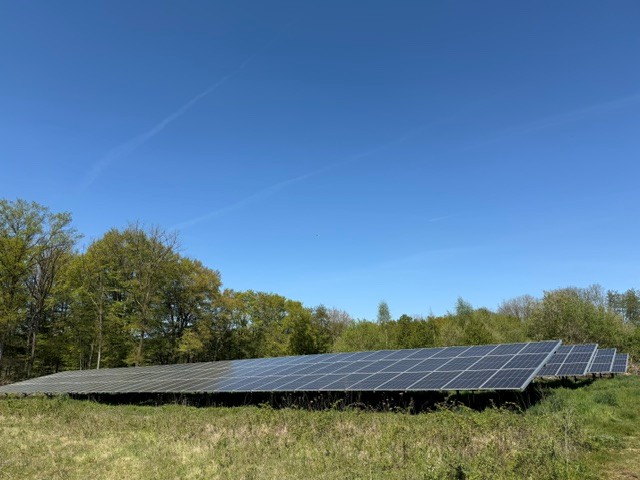
A large solar panel farm at our production site.
There is an extensive solar panel array on the roof of our production facility in Aarschot. This allows us to generate a significant portion of our own energy.
The electricity generated is used to the fullest extent possible for our production, our charging stations, and our day-to-day operations.
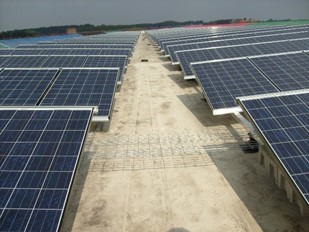
Sustainable energy for today and tomorrow.
By investing in a 720-kW battery system and a new fast charger, we are able to use the solar energy we generate even more efficiently. This allows us to reduce our impact on the electricity grid and continue building a sustainable future.
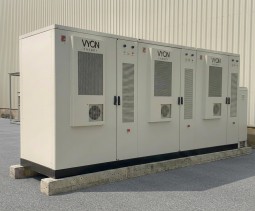
720 kW battery system
Our industrial battery stores excess solar energy so it can be used later when production or our charging infrastructure requires additional power. This allows us to increase our own energy consumption, reduce peak loads, and make our production more energy-efficient.
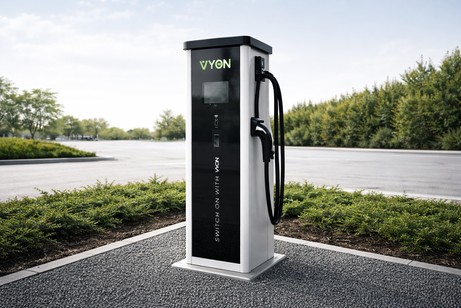
New Fast Charger
Our new fast charger supports the continued electrification of our vehicle fleet. Together with our solar panels and battery, it is a key component of our sustainable energy vision.
Rainwater harvesting and reuse of process water.
Water is essential for processing natural stone. That is why we collect rainwater and reuse process water.
The water is collected in a settling basin. There, the stone dust settles naturally, after which the water can be reused.
This way, we limit our use of municipal water and avoid unnecessary discharge of process water.
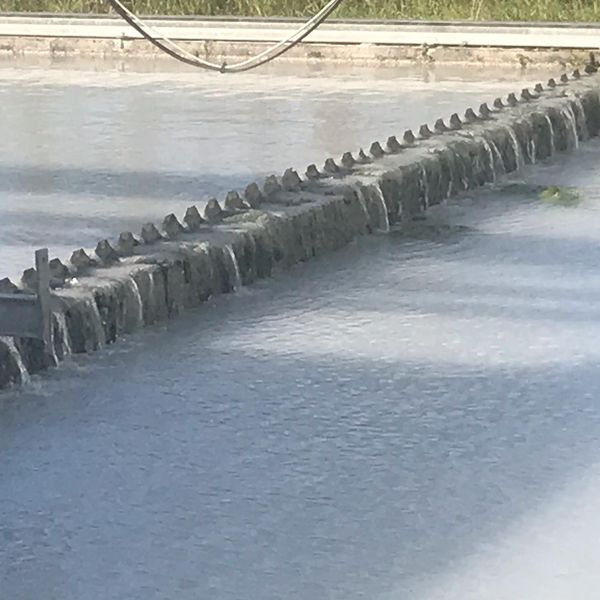
Waste material becomes a raw material again.
The processing of natural stone produces scraps and stone dust. We don’t simply consider these to be waste. Whenever possible, we find new uses for them.
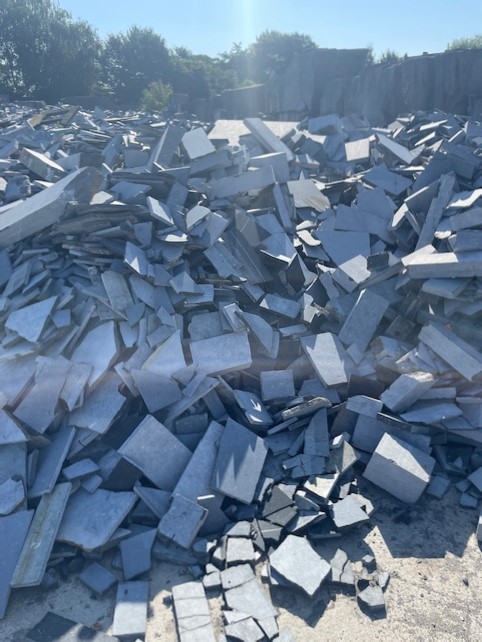
Stone fragments are given a new lease on life.
Surplus natural stone is collected, sorted, and reused whenever possible. It can be used in applications such as road construction, hydraulic engineering, and technical applications.
This is how we reduce waste streams and use natural resources as efficiently as possible.
Limestone dust as a soil conditioner.
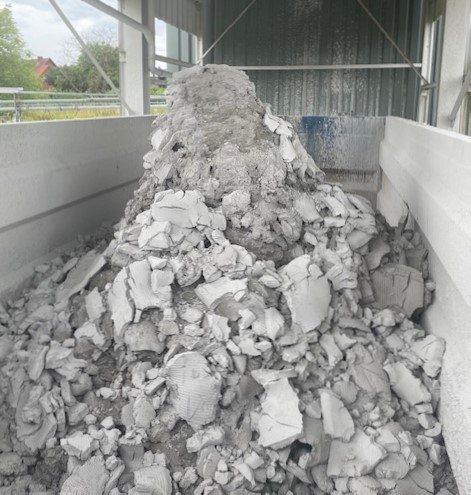
The limestone dust that remains in the settling tank is further dewatered using a filter press.
This results in a steady stream of residual material that can be put to good use again, for example, as a soil conditioner in agriculture.
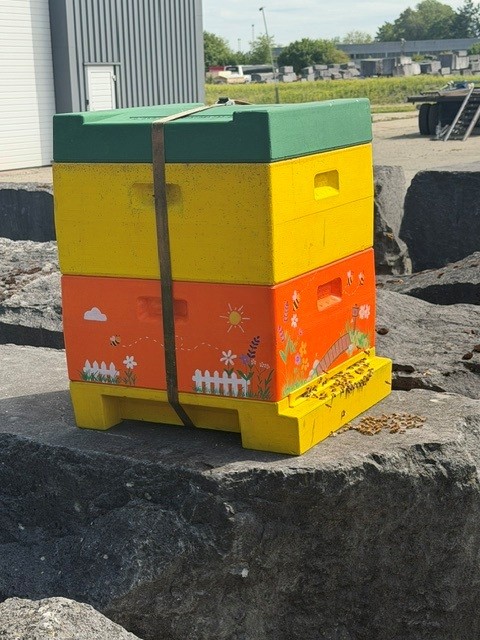
A healthy bee colony on our site.
For us, sustainability doesn’t stop at energy, water, and raw materials. The natural environment surrounding our company site also deserves attention. That’s why we installed a beehive and created a flower meadow.
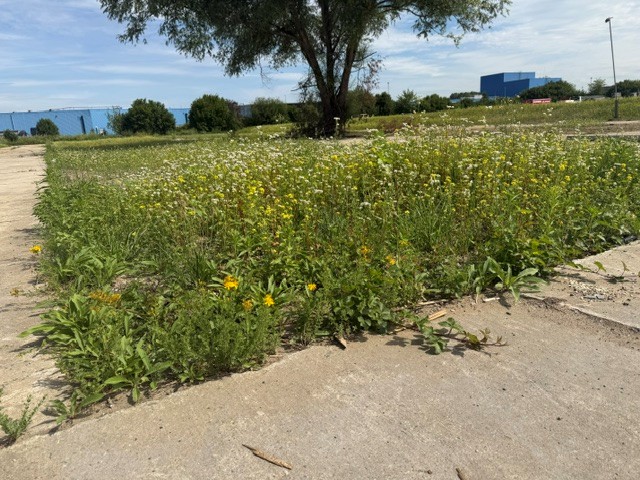
The initial results are very positive.
Our beehive is regularly monitored by an experienced beekeeper. The latest inspection shows that the bee colony is thriving and exhibits all the signs of a strong, healthy, and active colony.
The bees are building out the comb nicely, which indicates that the colony has enough worker bees and is strong enough to form new combs. They are also bringing in a remarkable amount of pollen. That is a good sign: pollen is the main source of protein for young larvae and indicates an abundance of flowering plants in the area.
The presence of propolis is also beneficial. Propolis is a natural protective substance that bees make from resinous substances found in plants. They use it to protect their hive, insulate it, and keep it healthy.
A Living Sustainability Project
Since the colony is developing well, a second brood chamber was installed. This gives the colony extra space to continue growing and, if necessary, to build up more stores.
In the coming period, we will continue to monitor the development of the upper nesting chamber and the preparations for winter.
Sustainability at every step.
Local mining
Belgian natural stone from our own quarries, with short transport distances and maximum control over quality.
In-house production
Processing in Aarschot with a focus on energy, water, efficiency, and quality.
Smart Energy Use
Solar panels, a battery system, and charging infrastructure make our site more energy-efficient.
Water Reuse
Rainwater and process water are collected, treated, and reused.
Circular waste streams
Residual materials and sludge are repurposed whenever possible.
Frequently Asked Questions About the Environment and Sustainability
How does Renier Natuursteen minimize its ecological footprint?
Why is Belgian blue stone a sustainable choice?
What does the 720-kW battery system do?
Why is Renier investing in a fast charger?
How does water treatment work?
What happens to residual material and sludge?
Why does Renier have a beehive and a flower meadow?
Four generations of craftsmanship, with an eye toward the future.
Renier deliberately chooses local natural stone, sustainable energy, water reuse, circular raw materials, and greater biodiversity on the site.