Natural stone cladding: advantages, applications and installation techniques

What is cladding?

Cladding forms the protective and aesthetic outer layer of a building. It protects the underlying structure from weather influences such as rain, wind and sun, while contributing to better insulation and increased living comfort.

In addition, cladding largely determines the appearance of a building. The right choice of material can give a home or project a modern, timeless or just characterful look.

Why choose natural stone cladding?

Natural stone is one of the most durable and aesthetically pleasing materials for cladding.

Advantages of natural stone:

  • Exceptionally durable and resistant to all weather conditions
  • Timeless and authentic look
  • Each stone is unique in color and texture
  • Suitable for both modern and classic architecture
  • Increasing value for your building

Due to its natural origins and long life, natural stone is also a sustainable investment that will last for generations.

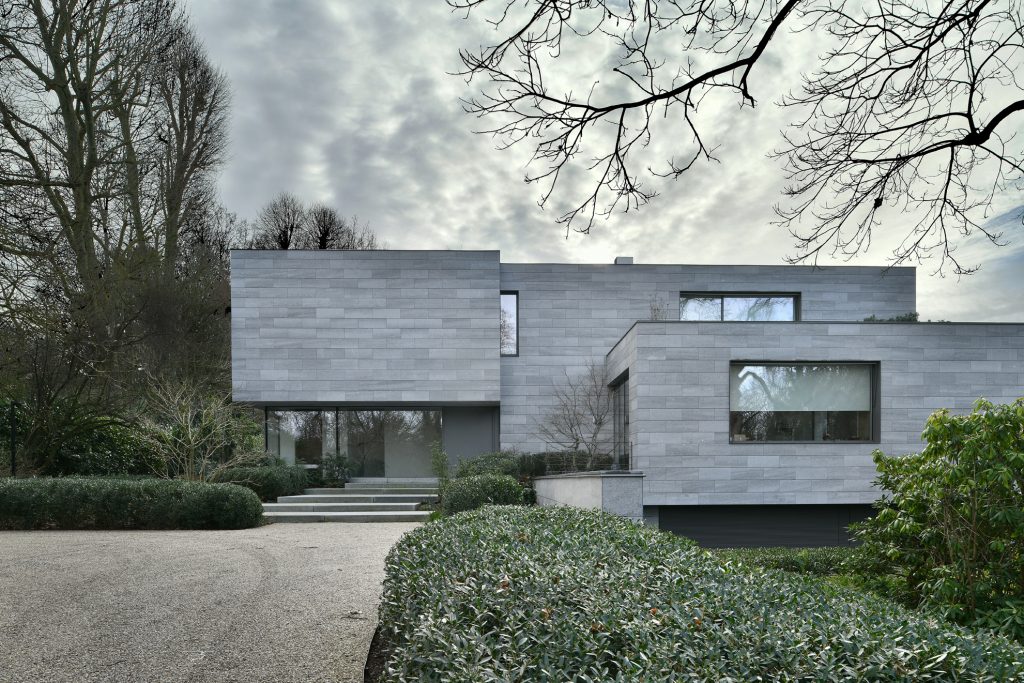
Source : Architect Marc Corbiau
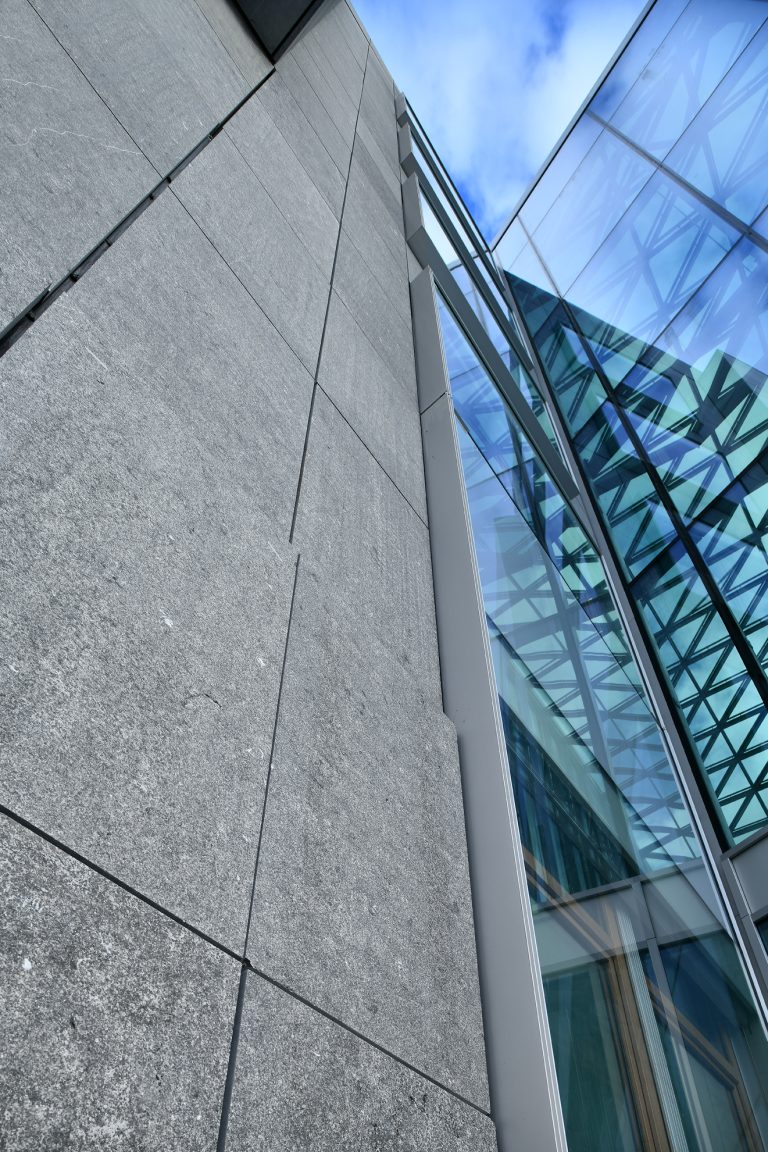
Source : Courthouse Namur

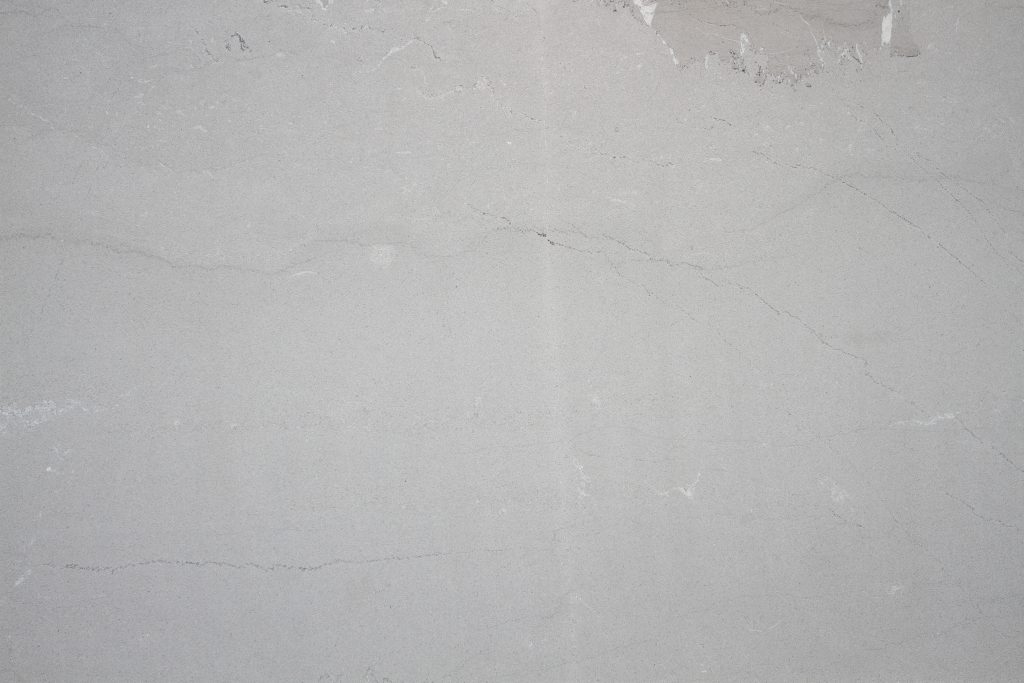
New - Piedra Paloma

Applications and realizations

Vinalmont fitted

Vinalmont 'taille ancienne'

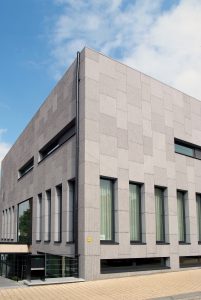
This finish of our mesh limestone provides a warm, characterful and timeless result. Ideal for residential projects and architecture with an authentic look.
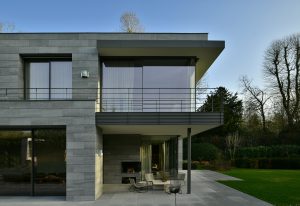
Source : Architect Marc Corbiau
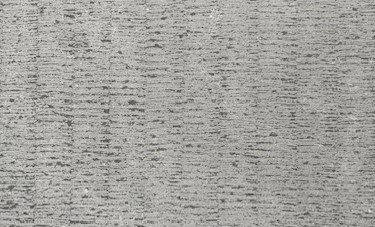
vinalmont mesh limestone sandblasted

Vinalmont 'sandblasted'

A sandblasted finish gives a tighter and more uniform appearance, perfect for larger buildings such as apartments, offices and public projects.

White Piedra Paloma

The power of white.

This Spanish natural stone is distinguished by its even white shade and modern look. Its durability and proven performance make it perfect for the Belgian climate.

Ideal for those with a bright, elegant and contemporary facade wishes.
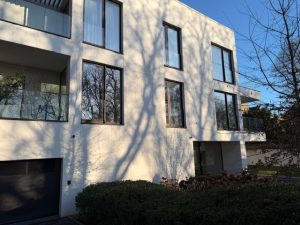
Paloma sandblasted project WoluweSource : realization Woluwe

Installation techniques for facade cladding in natural stone

There are several techniques for installing natural stone cladding, each with its own advantages in terms of stability, speed and aesthetics. Below we explain two commonly used methods.

1. Installation with support profile (slide-in system).

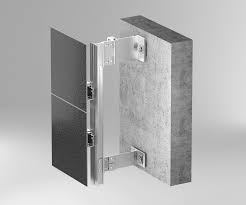
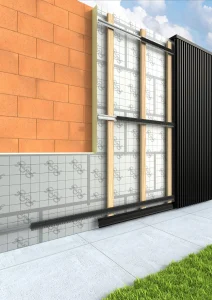
In this technique, a horizontal profile (usually aluminum or stainless steel) is first mechanically fastened against the structure behind.

The natural stone elements are then slid into the profile one by one and mutually positioned. This system often works with a tongue and groove or clip system.

Advantages:

  • Quick and efficient placement
  • Dry system (no mortar or adhesive required)
  • Possibility of disassembly and replacement
  • Ideal for ventilated facades

Points of interest:

  • Accurate sizing is crucial
  • Prefabrication and tolerances must be perfectly matched

Example profile for fixing facade claddingMounting facade cladding with profile example

2. Traditional placement with anchors and chemical anchoring.

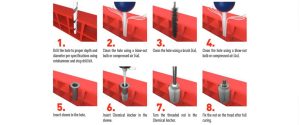
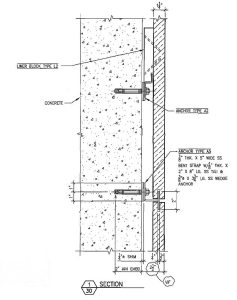
The classical method consists of the drilling anchor holes in the natural stone, in which metal anchors are placed and secured with a chemical anchoring (injection mortar).

These anchors are then connected to the supporting structure or wall behind.

Advantages:

  • Very strong and durable attachment
  • Suitable for custom and complex shapes
  • Lots of flexibility during placement

Points of interest:

  • Labor intensive
  • Wet technology (depending on application)
  • Less easy to disassemble

how to anchor sidingchemical anchoring drawing

Which placement technique is best to choose?

The right technique depends on your project:

  • Larger, repetitive facades → profile systems
  • Complex projects or customization → chemical anchoring

In practice, both systems are often combined to achieve the best results.

Our advice

At Renier, we focus on the supply of high quality natural stone and the Technical support to architects, contractors and building owners.

Thanks to our experience with diverse projects, we actively consider:

  • the right choice of materials
  • suitable finishes
  • and the most appropriate placement technique

We ensure that the natural stone chosen perfectly matches the technical requirements and aesthetic vision of the project.

Effective placement is done by specialized craftsmen, where we provide support, if required, with technical documentation and advice.

Frequently asked questions about natural stone cladding

What does natural stone cladding cost?

The price depends on the type of natural stone, size and finish. Larger formats and additional operations such as miters or drill holes have a significant impact on the price. As a guide price, you can count on €100-€200/m² for the natural stone and from €100/m² for placement.

Natural stone is installed via profile systems or with anchors and chemical anchoring, depending on the project and technical requirements.

Yes, natural stone is highly resistant to frost, rain and temperature fluctuations, making it ideal for outdoor applications.

Bonding is simpler but less flexible. Anchoring with anchors offers more security and is used for larger or more complex facades.

It depends on the desired look and application. Belgian limestone, Vinalmont and Piedra Paloma are common choices.